Herbert von Karajan

Stories

Spotlight: Teatro alla Scala

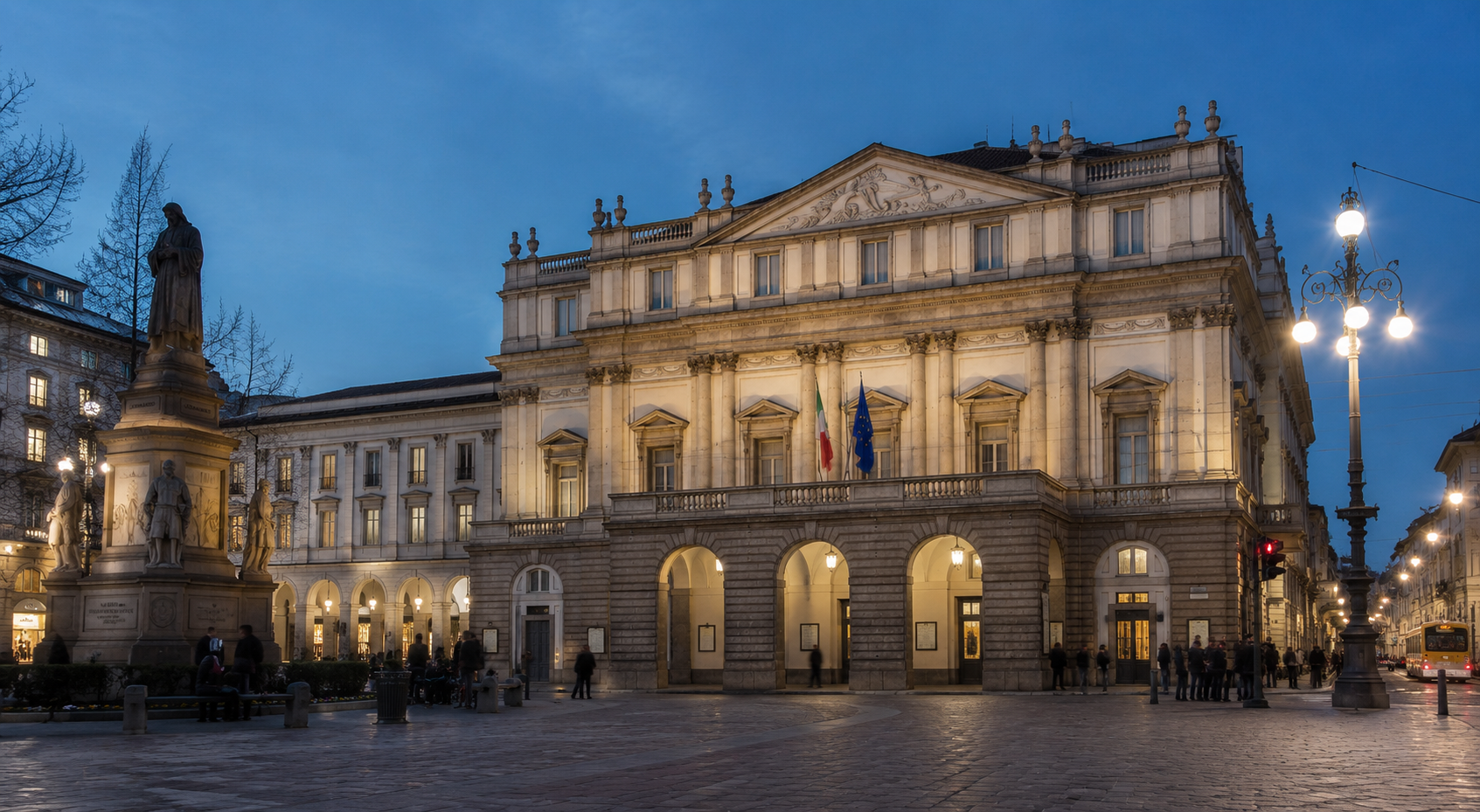
First Encounters with La Scala When La Scala reopened in May 1946 after the destruction of the Second World War, Arturo Toscanini conducted a concert that quickly became a symbol of cultural reconstruction in Europe. In the years that followed, the Milan opera house entered a new international phase —…

Read More

Weekly SpinOn: Mothers

Motherhood appears surprisingly often in classical music — just rarely in direct form. Composers often approach the subject through lullabies, prayers, childhood memories, or music connected to comfort and protection. Brahms, for example, added the most personal movement of his German Requiem shortly after his mother died in 1865. And…

Read More

Weekly SpinOn: Home

What does “home” mean? In English, the word usually refers to a private space—the place where someone lives. The German word Heimat works differently. It can describe a region, a country, or a shared cultural environment. This difference is not accidental. Linguists often point out that languages develop words for…

Read More

Weekly SpinOn:
The Romantic Piano Concerto

The piano concerto is one of the central genres of the 19th century. Around 1800, it still followed a clear model: the orchestra introduces the material, the soloist responds, and virtuosity plays a central role. Over the course of the century, this balance begins to change. Starting with Beethoven, the…

Read More

Spotlight:
Salzburg Easter Festival

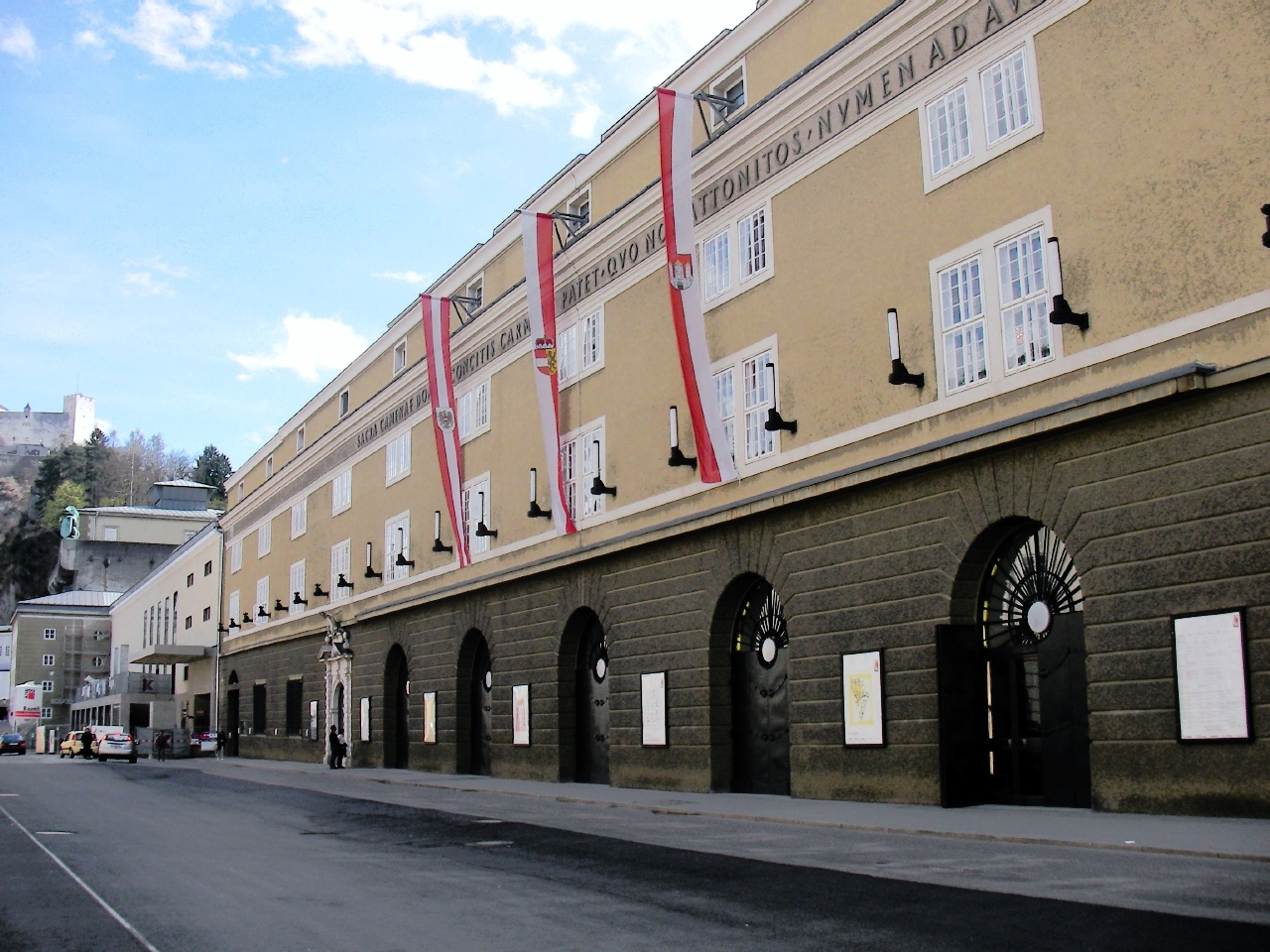
The Salzburg Easter Festival was founded in 1967 by Herbert von Karajan and takes place annually over a period of around ten days between the Saturday before Palm Sunday and Easter Monday. From the beginning, it combined staged opera productions with orchestral and choral concerts within a single, concentrated timeframe.…

Read More

Weekly SpinOn: Gods and Men

The relationship between gods and men is one of the oldest themes in human thought. Myths describe gods who rule the world, religion speaks of a single divine presence, and philosophy questions how humans relate to both. Music has found different ways to approach this idea. It can present the…

Read More

Karajan artists:
Orchestre de Paris – a sound in the making

“An orchestra does not produce sound by itself — it must be shaped.” When Herbert von Karajan began working with the newly founded Orchestre de Paris, he encountered an ensemble still at the beginning of its story — and still discovering its own musical identity. The Orchestre de Paris gave its inaugural concert on 14 November 1967 under…

Read More

Weekly SpinOn: Awakening

Awakening and decline are basic experiences of human life. Myths and religions speak about the beginning of the world, nature wakes up every year when spring returns, and every day begins with the change from night to morning. Moments like these have inspired composers for a long time. Music can…

Read More

Karajan artists: The Staatskapelle Dresden – “like ancient gold”

In 1965, Karajan invited the Staatskapelle Dresden for the first time to the Salzburg Festival for a series of five concerts...

Read More

Weekly SpinOn:
The Power of Contrast

Contrast is part of life. We experience difference constantly: tension and release, light and shadow, movement and stillness. Music works in the same way. Differences in tempo, dynamics, register, texture and orchestration define musical form. Fast and slow, loud and soft, major and minor, solo and tutti — these oppositions…

Read More
Load More Articles

Read More

Agnes BaltsaAlban BergAlexander BorodinAlexis WeissenbergAnna Tomowa-SintowAnne-Sophie MutterAnton BrucknerAnton DermotaAnton von WebernAntonín DvořákMore

Here you can download the full curriculum vitae of Herbert von Karajan!

Download Now

Stay Informed