30 July 2026
Spotlight: The Bayreuth Festival
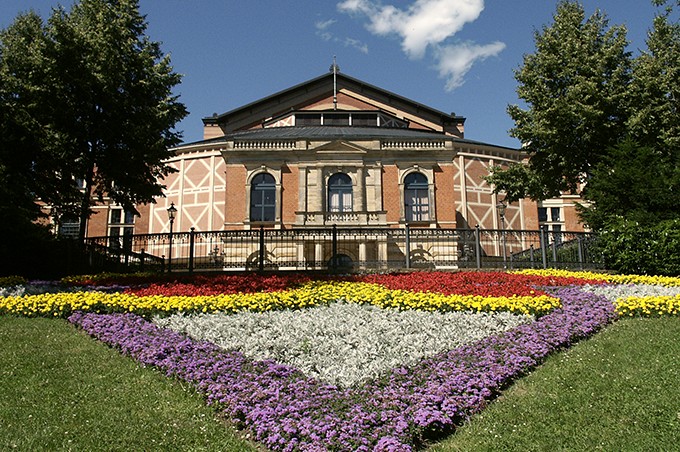
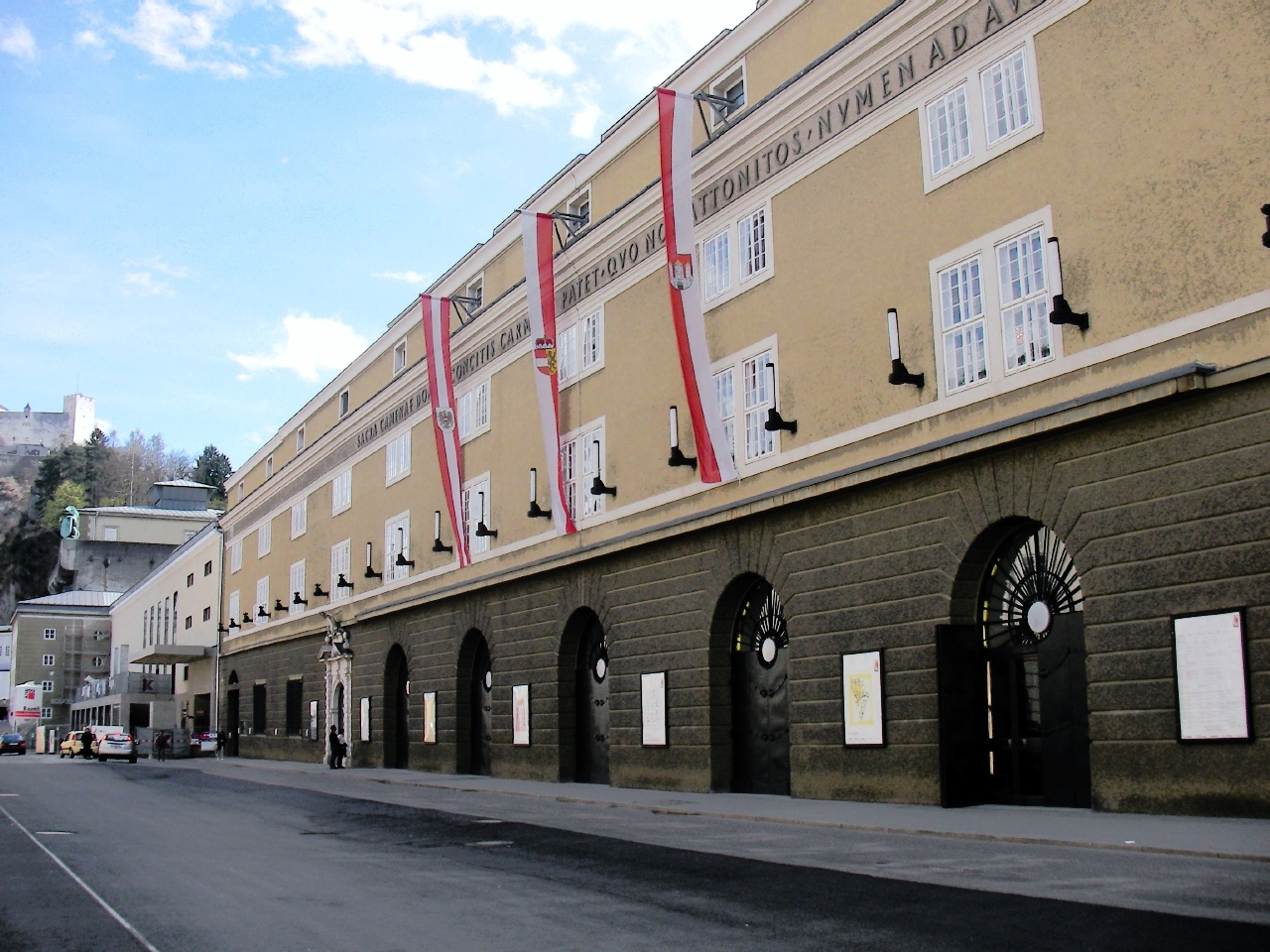
Few cultural institutions in music history have acquired the aura of the Bayreuth Festival. Conceived by Richard Wagner as a festival devoted exclusively to his own works, it was intended to realise his vision of music drama under ideal artistic conditions. To bring this vision to life, Wagner commissioned the Festspielhaus on the Green Hill above Bayreuth, where every aspect of the building—from the hidden orchestra pit to the fan-shaped auditorium—was designed to focus the audience’s attention entirely on the drama unfolding on stage.
Following a six-year interruption after the Second World War, the festival reopened in 1951 under the direction of Wagner’s grandsons, Wieland and Wolfgang Wagner. Their radically new approach to staging marked the beginning of what became known as the “New Bayreuth”. Herbert von Karajan was among the musicians who helped shape this new artistic chapter from its very beginning.
Karajan and the New Bayreuth
When preparations for the reopening of the Bayreuth Festival began after the Second World War, Herbert von Karajan was involved from an early stage. Throughout 1950, he worked closely with Wieland Wagner on the musical planning of the festival, discussing singers, orchestral personnel and the artistic organisation of what would become the first season of the New Bayreuth.
That confidence is already evident in a telegram sent in November 1950, inviting Karajan to conduct both complete Ring cycles at the reopening festival. Although the final schedule was later revised, the invitation illustrates the importance of his role during the planning process.
His role ultimately extended well beyond conducting performances. Karajan’s contract for the 1951 festival entrusted him with “the entire musical preparation of the singers and the orchestra”, reflecting the confidence the Wagner brothers placed in him during the festival’s rebuilding.
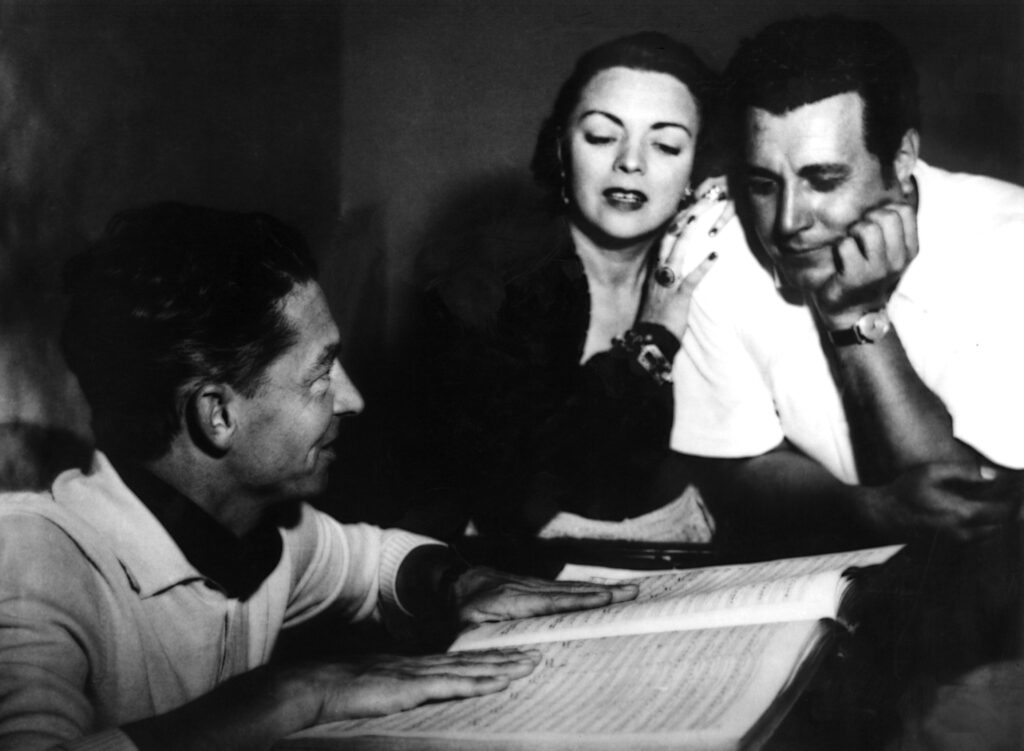
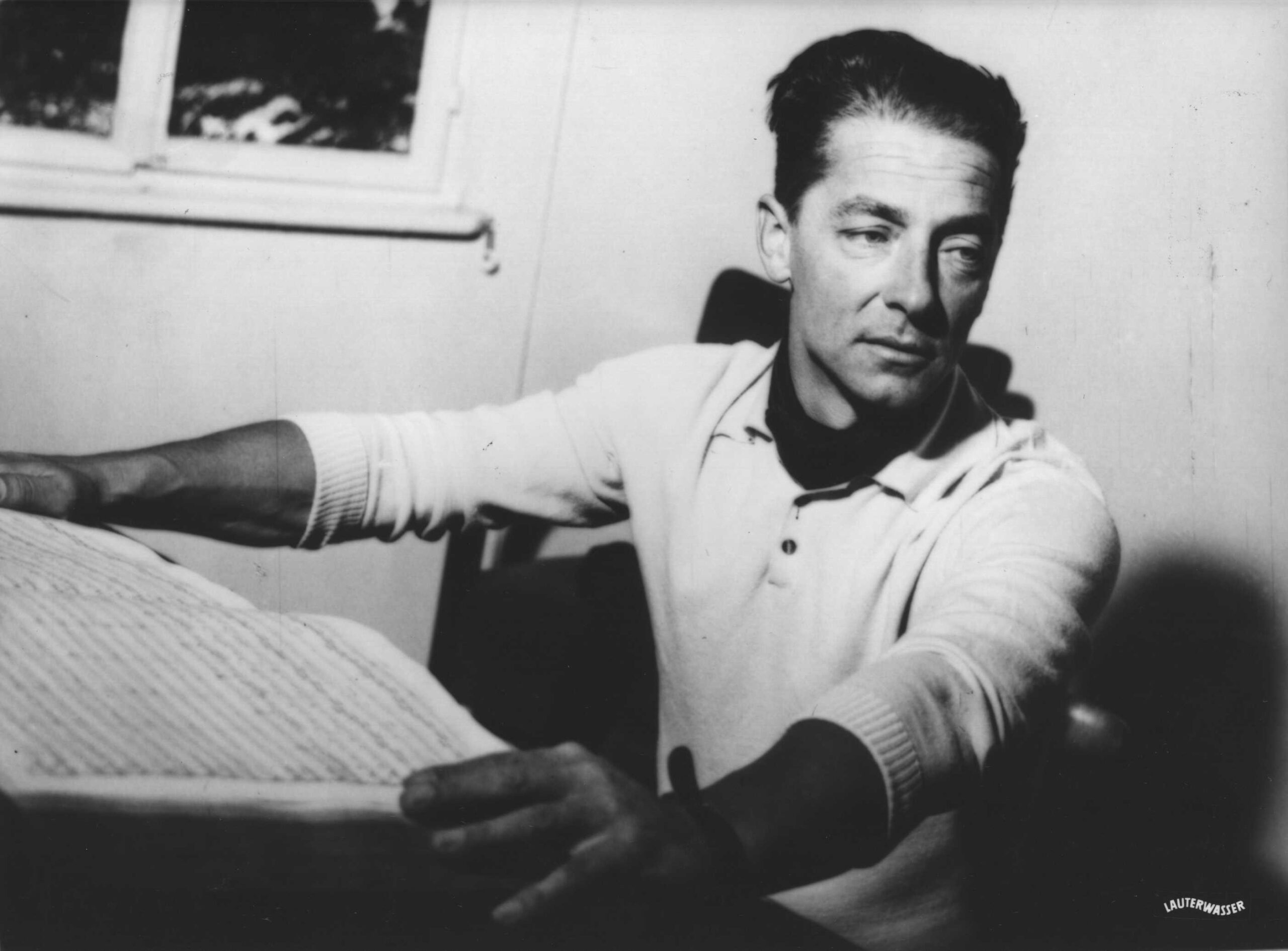
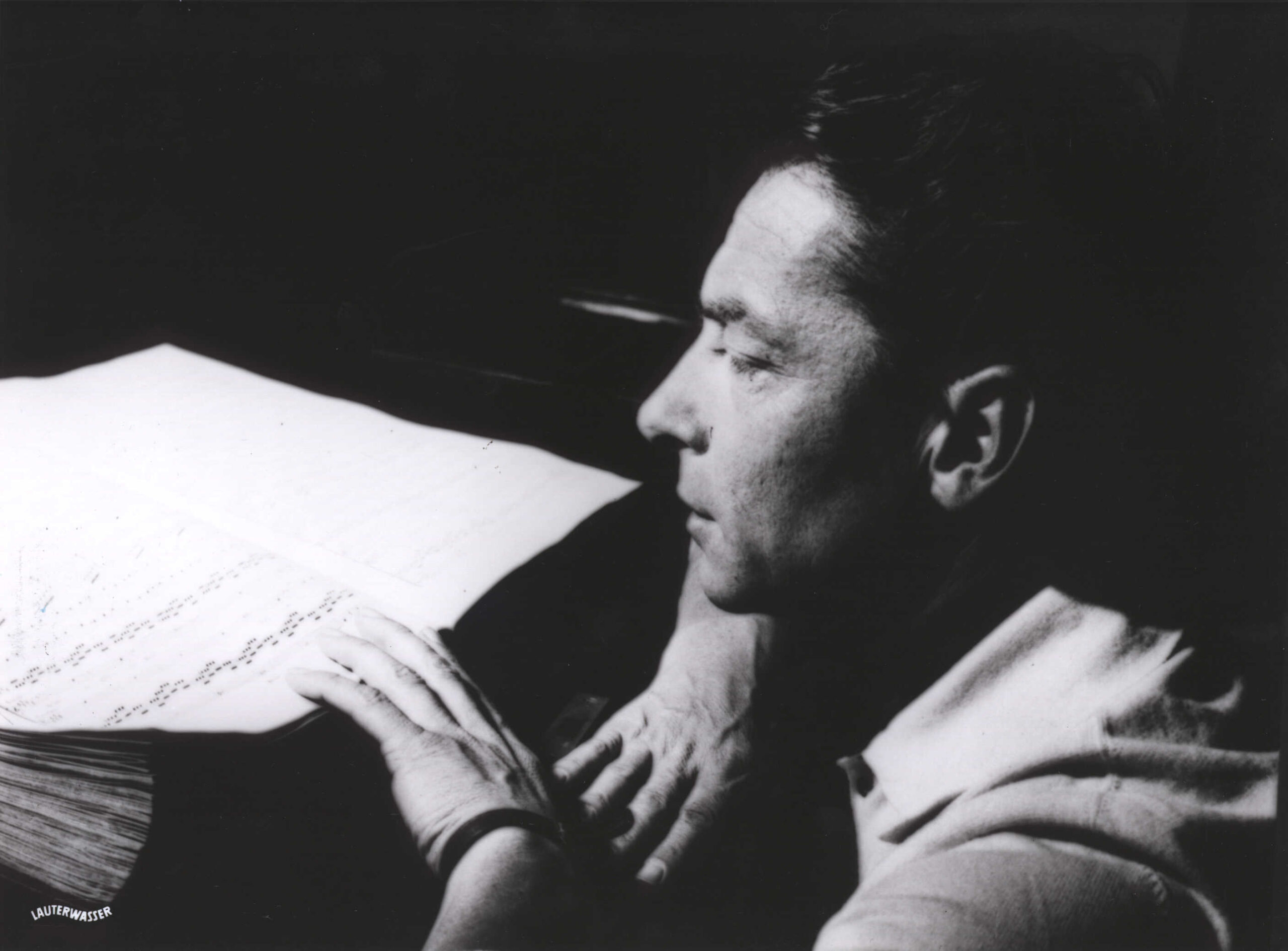
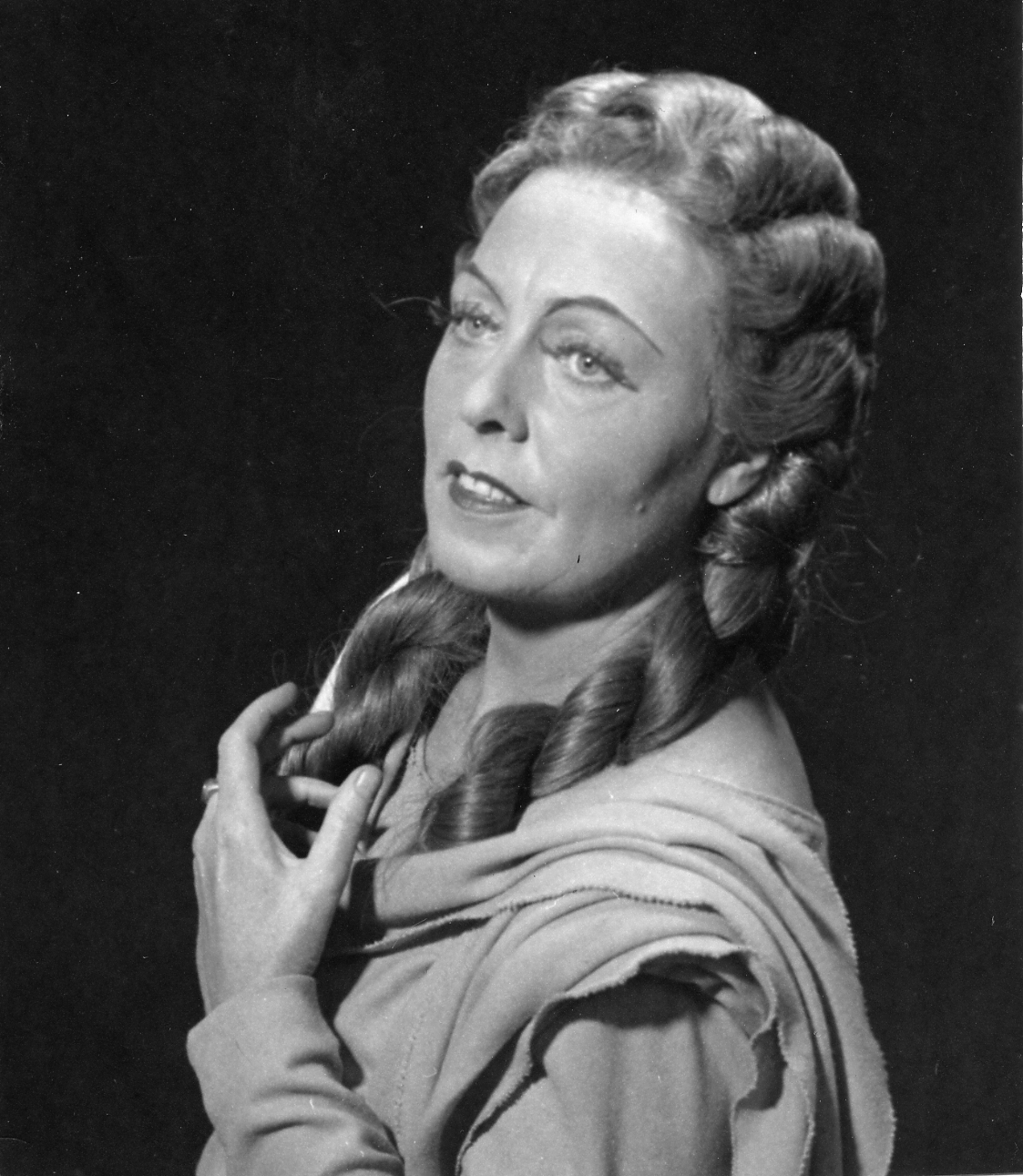
Herbert von Karajan with Martha Mödl (Isolde) and Ramon Vinay (Tristan) studying the score, Bayreuth Festival, Festspielhaus, 1952. © Siegfried Lauterwasser / Karajan Archive
Productions that Redefined Bayreuth
The reopening festival began with Die Meistersinger von Nürnberg, staged by Rudolf Hartmann. In contrast to Wieland Wagner’s later productions, Hartmann’s staging remained comparatively traditional. Yet it deliberately distanced itself from the ideological associations the opera had acquired before 1945, restoring its warmth, humour and humanity. Karajan’s conducting reflected the same spirit. Critics praised the freshness, transparency and rhythmic vitality of his interpretation, qualities that would become characteristic of his Wagner performances throughout his career.
Only days later, Karajan conducted the second complete Ring des Nibelungen cycle in Wieland Wagner’s groundbreaking production. With the Ring, the visual language changed fundamentally. Traditional scenery gave way to abstract space, while light became the principal means of shaping the dramatic action. Rather than recreating mythological places, the production focused on the inner conflicts of the characters, inviting audiences to experience Wagner’s dramas in an entirely new way.
Following the 1951 festival, Wieland Wagner reflected on their collaboration and looked ahead to the artistic future of Bayreuth. In a letter to Karajan, he wrote:
“Our collaboration took place in the closest contact and with the greatest concentration … I believe that we complement one another.”²
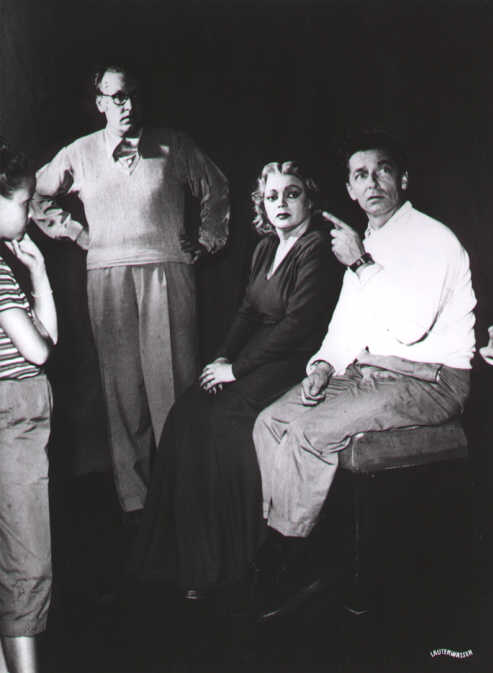
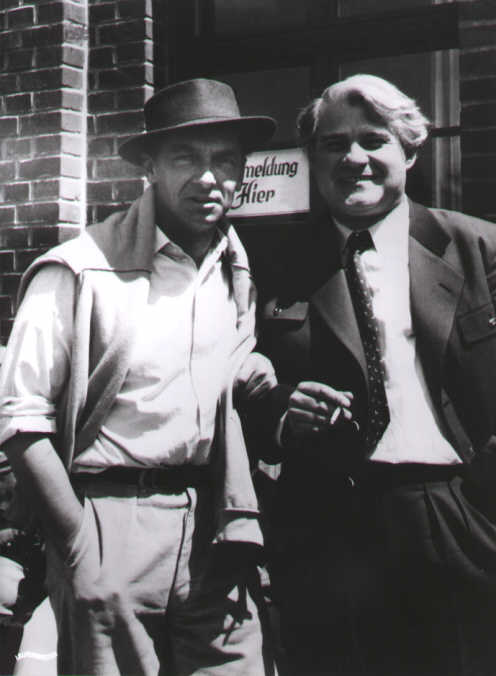
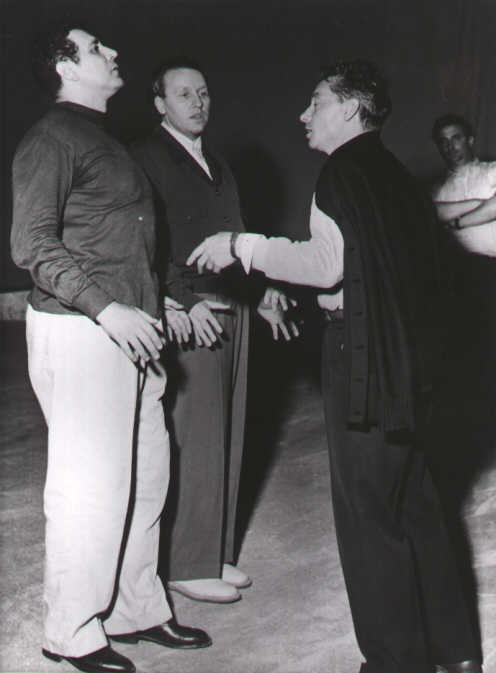
Karajan with Martha Mödl (Isolde), Wieland Wagner and his daughter Iris during rehearsals for Tristan und Isolde at the Bayreuth Festspielhaus, 1952.
© Siegfried Lauterwasser / Karajan Archive
The artistic partnership between Wieland Wagner and Karajan reached its culmination with Tristan und Isolde in 1952. Today, it is regarded as one of the defining productions of the early post-war festival. Wieland’s staging reduced the visual world to its essentials, allowing light, movement and the performers themselves to create the dramatic space. Karajan responded with an interpretation that pursued the same concentration and dramatic purpose in the orchestra pit, creating an unusually close unity between music and stage.
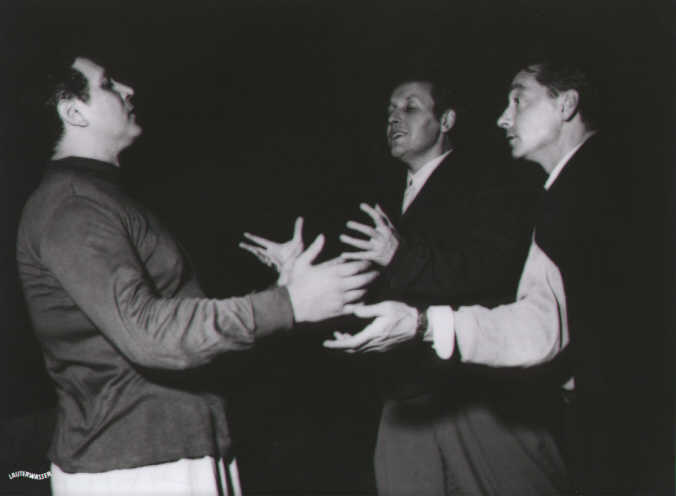
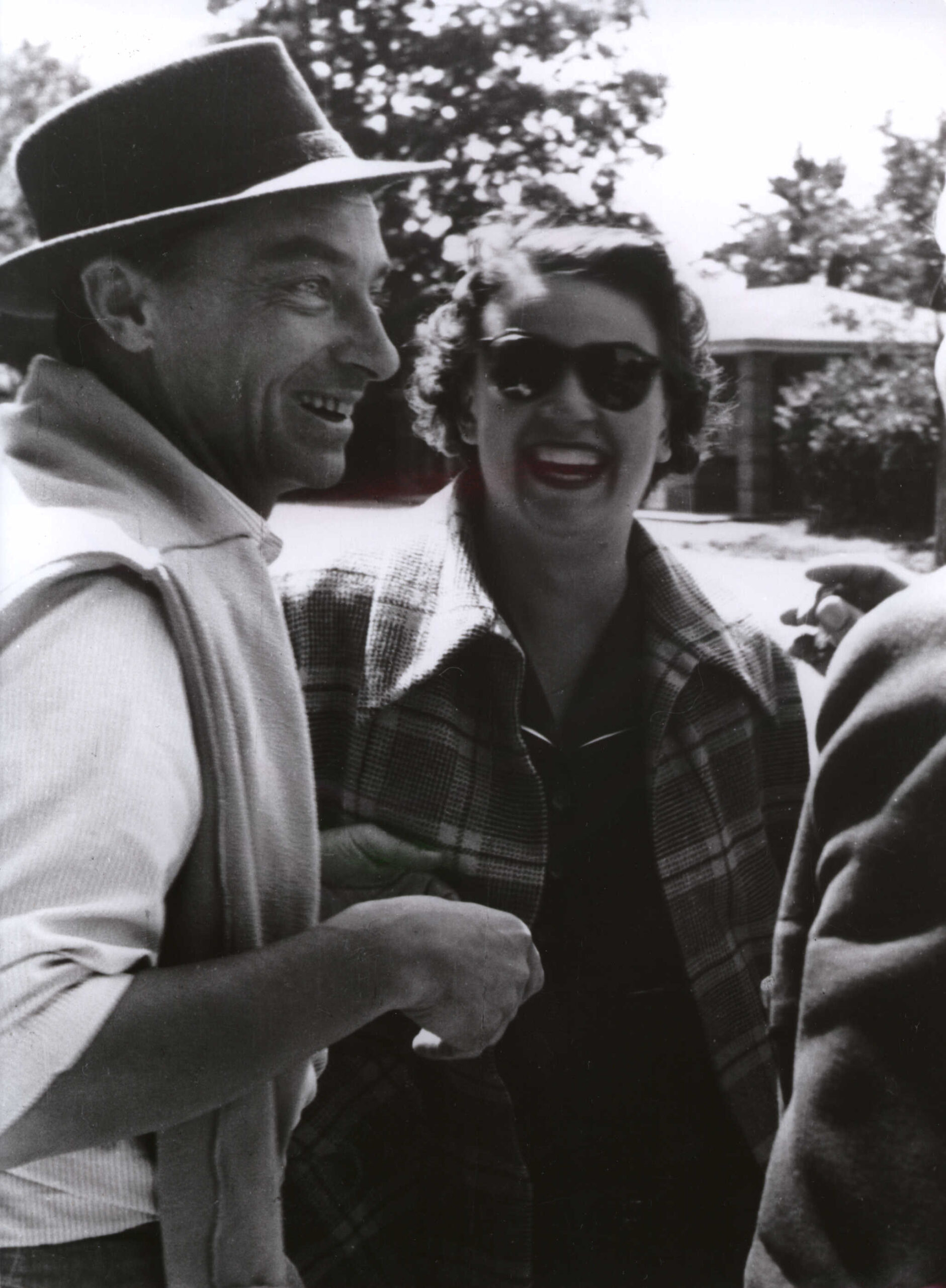
Karajan with Wieland Wagner and Ramon Vinay (Tristan) discussing the staging of Tristan und Isolde at the Bayreuth Festspielhaus, 1952. © Siegfried Lauterwasser / Karajan Archive
Although Karajan conducted only three productions during Bayreuth’s first two post-war seasons, they occupied a pivotal place in the history of the festival. Together, they helped establish the artistic principles that defined the New Bayreuth and secured Karajan’s reputation as one of the leading Wagner conductors of his generation.
| Year | Programme |
|---|---|
| 1951 | Richard Wagner: Die Meistersinger von Nürnberg |
| Stage Director: Rudolf Hartmann | |
| Orchestra: Bayreuth Festival Orchestra | |
| Cast: Otto Edelmann (Hans Sachs) · Hans Hopf (Walther von Stolzing) · Elisabeth Schwarzkopf (Eva) · Erich Kunz (Sixtus Beckmesser) · Elisabeth Höngen (Magdalene) · Paul Kuen (David) |
|
| 1951 | Richard Wagner: Der Ring des Nibelungen³ |
| Stage Director: Wieland Wagner | |
| Orchestra: Bayreuth Festival Orchestra | |
| Cast: Astrid Varnay (Brünnhilde) · Ramón Vinay (Siegmund) · Martha Mödl (Sieglinde / Gutrune) · Bernd Aldenhoff (Siegfried) · Sigurd Björling (Wotan / The Wanderer) · Gustav Neidlinger (Alberich) · Josef Greindl (Hunding / Hagen / Fasolt) · Elisabeth Schwarzkopf (Freia / Gutrune) · Ira Malaniuk (Fricka / Waltraute) |
|
| 1952 | Richard Wagner: Tristan und Isolde |
| Stage Director: Wieland Wagner | |
| Orchestra: Bayreuth Festival Orchestra | |
| Cast: Ramón Vinay (Tristan) · Martha Mödl (Isolde) · Ira Malaniuk (Brangäne) · Hans Hotter (Kurwenal) · Ludwig Weber (King Marke) |
Why Karajan Left Bayreuth
Given the artistic success of his Bayreuth productions, Karajan’s departure after Tristan und Isolde in 1952 may seem surprising. Yet the end of this remarkable collaboration was not the result of a single disagreement or dramatic break. Instead, it reflected a combination of artistic ambitions, practical realities and the rapid development of both Karajan’s career and the Bayreuth Festival itself.
By the early 1950s, Karajan’s international career was expanding at extraordinary speed. Alongside major engagements in Vienna and Milan, his close collaboration with Walter Legge and the Philharmonia Orchestra established him as one of the leading recording artists of his generation. Soon afterwards came the Berlin Philharmonic, adding further responsibilities to an already demanding international schedule. Devoting several weeks each summer exclusively to Bayreuth became increasingly difficult.
Walter Legge also played an important role in this development. More than a producer, he was a powerful artistic collaborator with strong views on repertoire, casting and recording projects. Through EMI and the Philharmonia Orchestra, he offered Karajan opportunities that reached far beyond the festival stage, allowing him to realise artistic ideas in the recording studio with a degree of permanence that live performances could not provide.
There were also differences in artistic working methods. Bayreuth revolved around an intensive rehearsal period leading to a single festival season, while Karajan increasingly sought long-term artistic continuity with orchestras he conducted throughout the year. His growing pursuit of orchestral perfection, supported by advances in recording technology, gradually pointed towards a different model of music-making than the unique rhythm of Bayreuth.
The festival itself, meanwhile, continued to evolve. Wieland Wagner refined the visual language of the New Bayreuth with each successive production, while new conductors and singers became part of the festival’s artistic identity. The New Bayreuth was never intended to depend on a single conductor; it continued to develop as a collaborative artistic project.
Yet the relationship between Karajan and the Wagner family remained one of mutual respect. More than a decade after his final appearance on the Green Hill, Wieland Wagner invited him to return to Bayreuth. In a letter dated 20 October 1965, he wrote:
“…darf ich Sie hiermit definitiv bitten, mit der Festspielzeit 1966 den Parsifal zu übernehmen, so lange Sie Freude daran haben” (“…may I hereby formally ask you to take over Parsifal from the 1966 Festival season onwards, for as long as you enjoy conducting it”).⁵
Wieland also asked Karajan to treat the invitation with absolute discretion out of consideration for Hans Knappertsbusch, whose future participation at Bayreuth remained uncertain. The project never came to fruition. Wieland Wagner died the following year, bringing the plans to an end before they could be realised. His invitation nevertheless remains a remarkable reminder that Karajan’s departure from Bayreuth had not been the result of a definitive rupture, but of two extraordinary artistic paths that had gradually taken different directions.
¹ Stephan Mösch, Bayreuth als Theater (Kassel: Bärenreiter, 2026).
² Letter from Wieland Wagner to Herbert von Karajan, 29 August 1951, Bayreuth Festival Archive: Zustiftung Wolfgang Wagner
³ Karajan conducted the second Ring cycle of the 1951 Bayreuth Festival. The production comprised four operas performed on four evenings:
Das Rheingold (11 August),
Die Walküre (12 August),
Siegfried (13 August) and
Götterdämmerung (15 August).
4 Richard Osborne, Herbert von Karajan: A Life in Music (London: Chatto & Windus, 1998), chapter “Bayreuth”
⁵ Wieland Wagner to Herbert von Karajan, 20 October 1965, Bayreuth Festival Archive: Zustiftung Wolfgang Wagner