11 August 2026
Pia Bernauer
Weekly SpinOn: Strong Women

Track 1: Carmen, Act I: “Quand je vous aimerai?” – Habanera: “L’amour est un oiseau rebelle” – Georges Bizet
What better way to begin a playlist about strong women than with a woman who refuses to belong to anyone?
When Carmen first appears in Bizet’s opera, she makes this clear before the story has even really begun. Surrounded by men waiting for her attention, she sings the famous Habanera and explains her view of love: it is free, unpredictable and impossible to control. Love is a rebellious bird. Try to catch it, and it escapes.
That idea defines Carmen throughout the opera. She chooses whom she loves and, just as importantly, when she no longer loves them. What makes her extraordinary is that Bizet and his librettists created a woman who insists on making those choices herself – even when the consequences become increasingly dangerous.
For audiences at the Opéra-Comique in Paris in 1875, Carmen was a provocative figure. She was far removed from the respectable heroines audiences were accustomed to seeing on its stage: a factory worker who moved among soldiers and smugglers, chose her own lovers and refused to conform to conventional expectations of female behaviour. The opera caused considerable controversy at its premiere, yet Carmen would go on to become one of the most famous characters in the history of opera.
The Habanera is her musical introduction and perhaps the clearest statement of her independence. Bizet based its distinctive melody on El arreglito, a song by the Spanish composer Sebastián Iradier, initially believing it to be a folk song. Once he discovered its origin, he acknowledged Iradier in the score.
Carmen was a work Karajan returned to throughout his career. He first staged it at La Scala in 1955. In 1963, he recorded the complete opera in Vienna with Leontyne Price as Carmen and Franco Corelli as Don José. The recording already reveals how seriously he took the darker side of the work. Producer John Culshaw remembered Karajan spending extraordinary care on the seemingly simple string chords of the Card Scene, balancing the strings to achieve exactly the dark colour and dramatic tension he wanted. For Karajan, these chords represented fate – the sense of something inevitable that hangs over Carmen and becomes explicit when the cards repeatedly foretell her death.¹
A few years later, Karajan was searching for the next step in his experiments with film and decided to bring Carmen to the screen. Grace Bumbry, who had taken the title role in his Salzburg Festival production a year before, also played Carmen in the film. Karajan adapted the production for the camera, using close-ups to focus more closely on the characters and their reactions.
Bumbry understood exactly what made Carmen different. She pointed out that the role has none of the conventional showpiece arias enjoyed by many other operatic heroines. She saw it above all as a character role – and believed that the singer herself needed to have a strong character to make it work.² For a playlist called Strong Women, it is difficult to imagine a more fitting description.
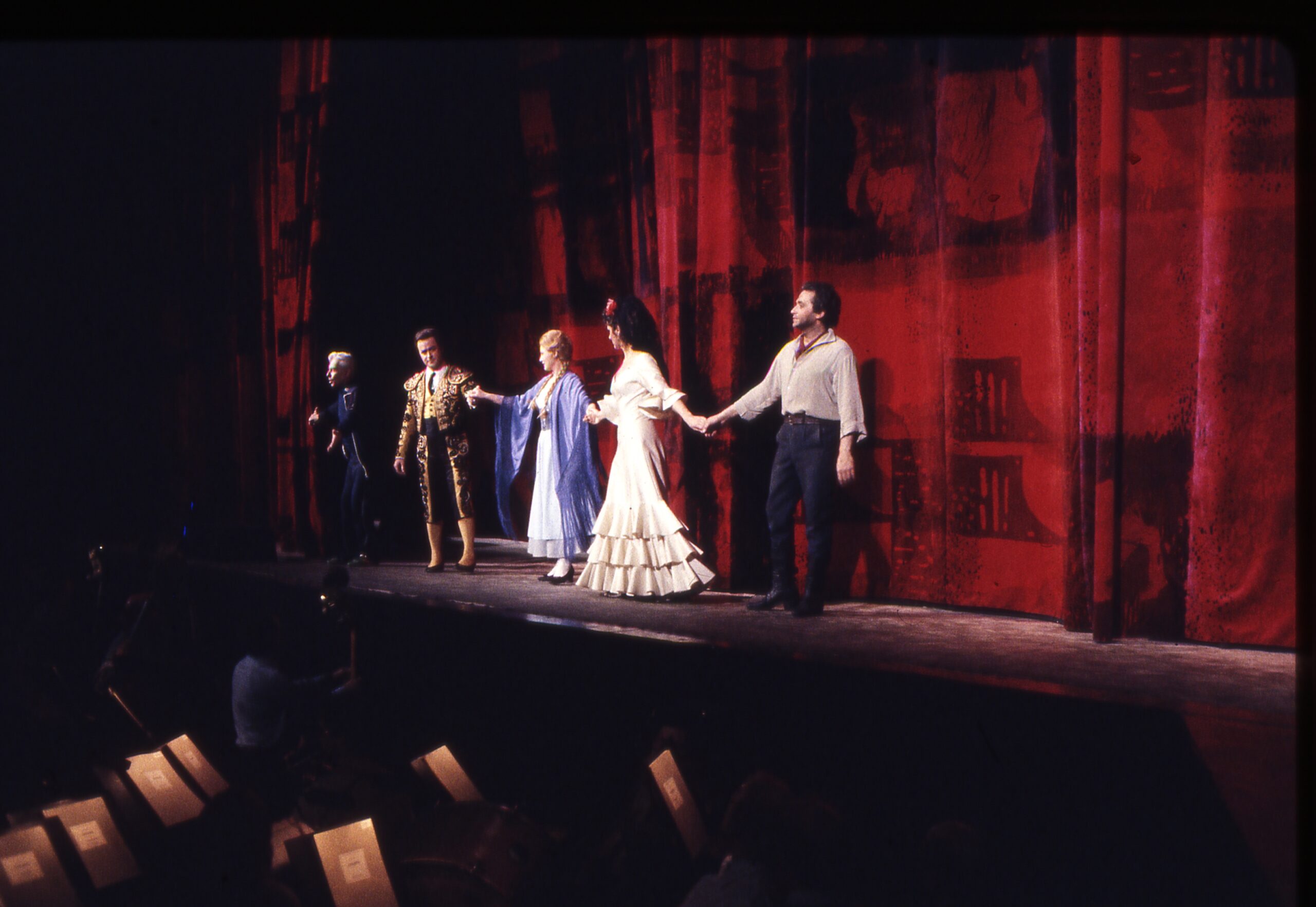
Almost twenty years later, Karajan returned to Carmen with a very different woman in the title role: Agnes Baltsa. The recording featured in our playlist was made in Berlin in 1982 with the Berliner Philharmoniker, José Carreras as Don José and José van Dam as Escamillo. Baltsa brought a fiercer, rougher and more openly defiant character to Carmen. The recording sharply divided critics when it appeared in 1983, but even its critics could hardly ignore the strength of the personalities involved.³
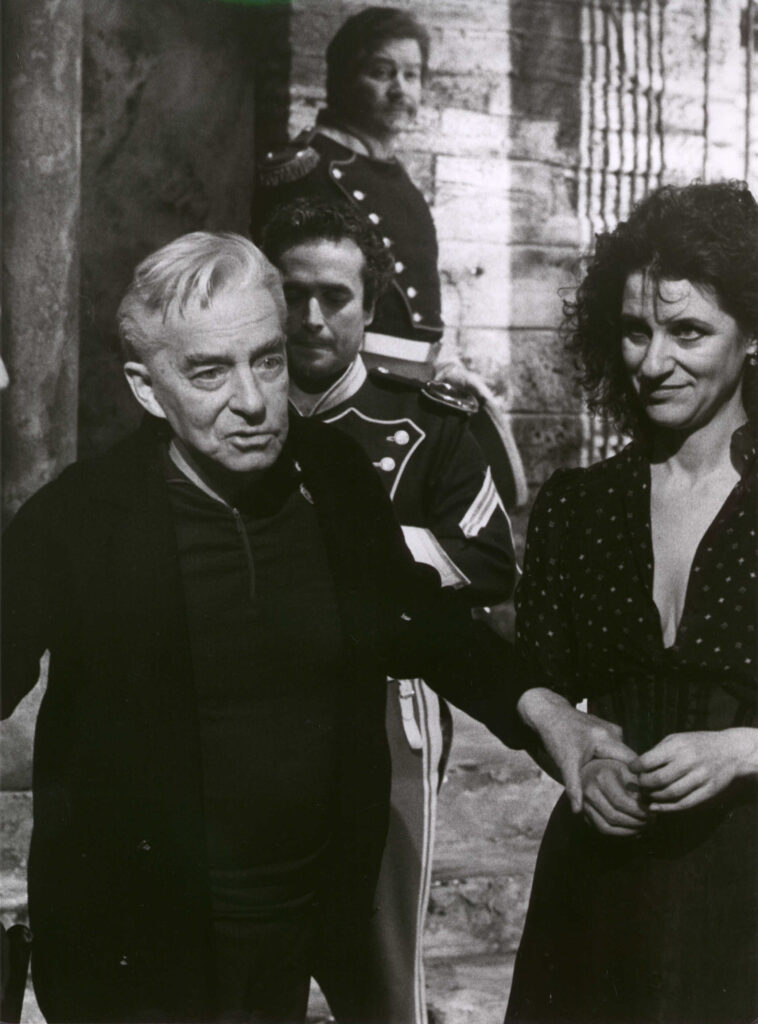
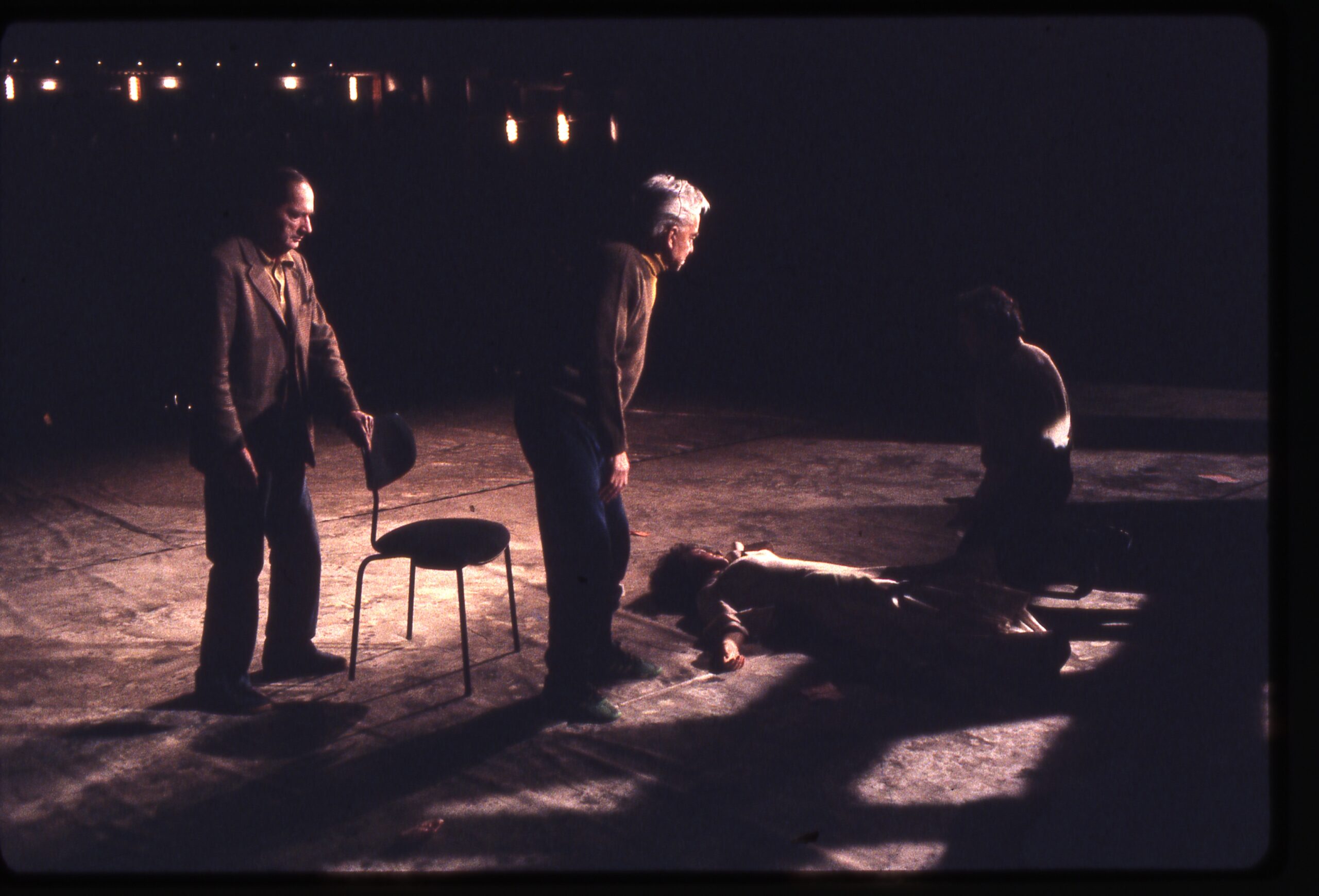
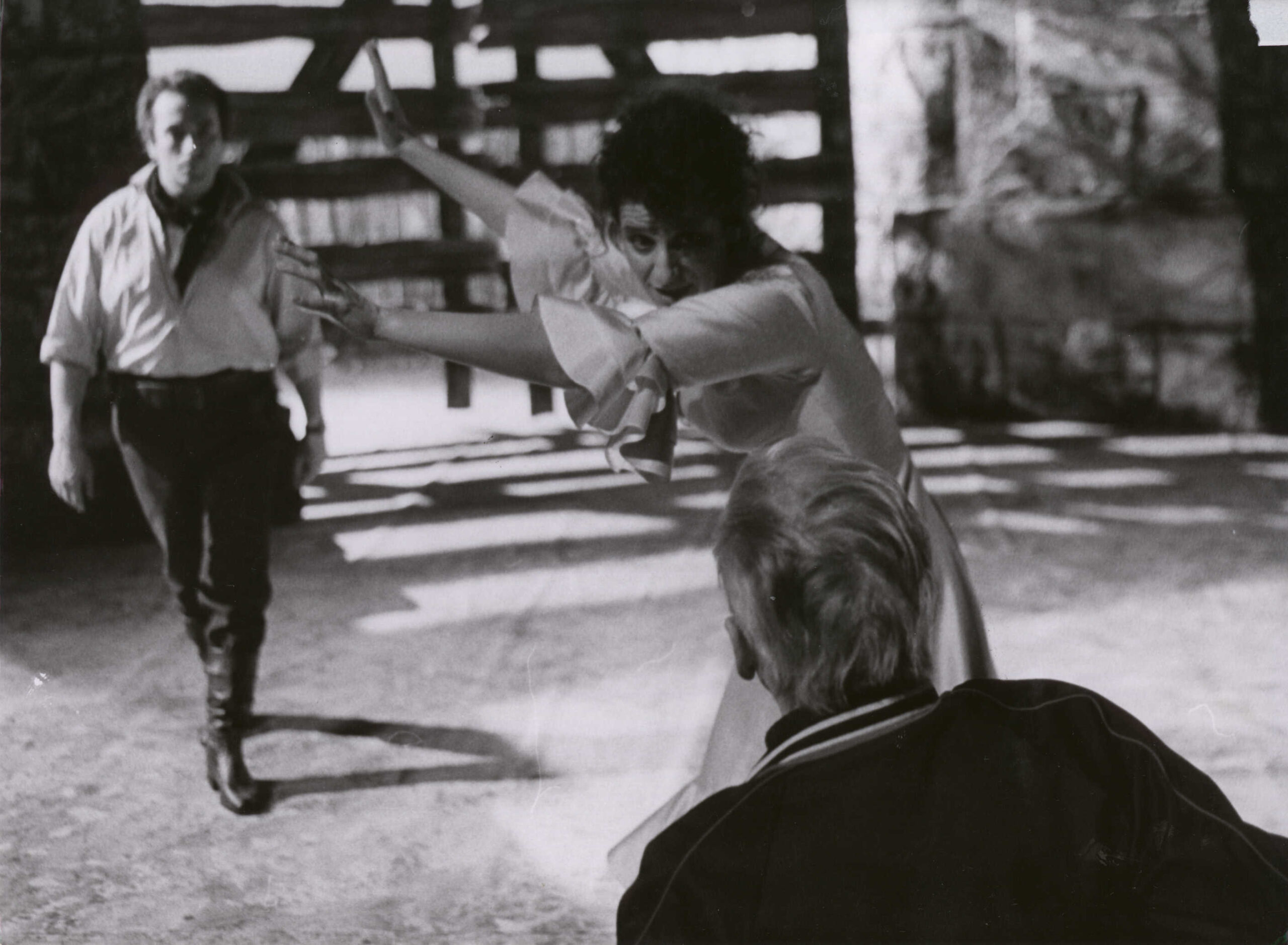
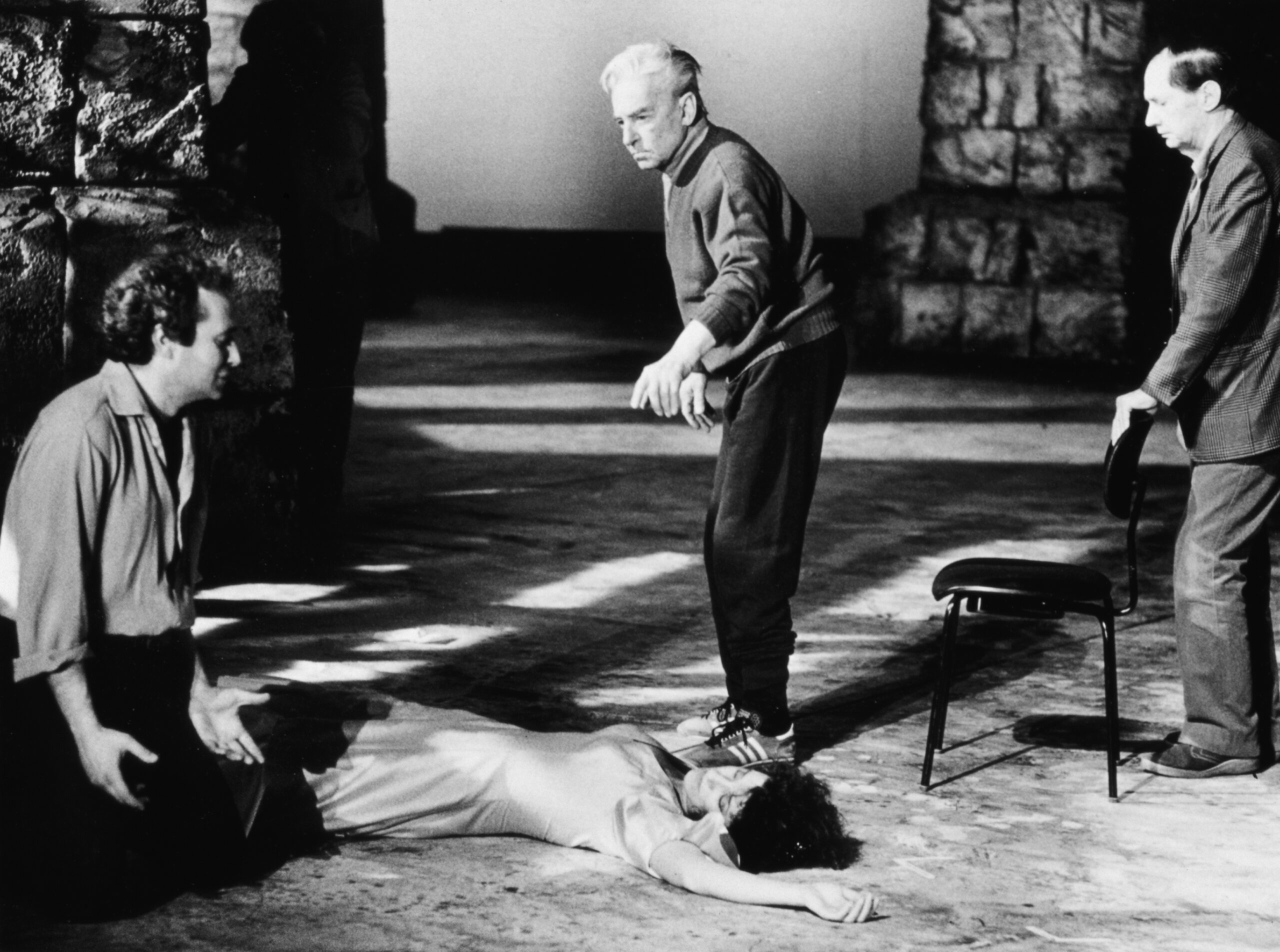
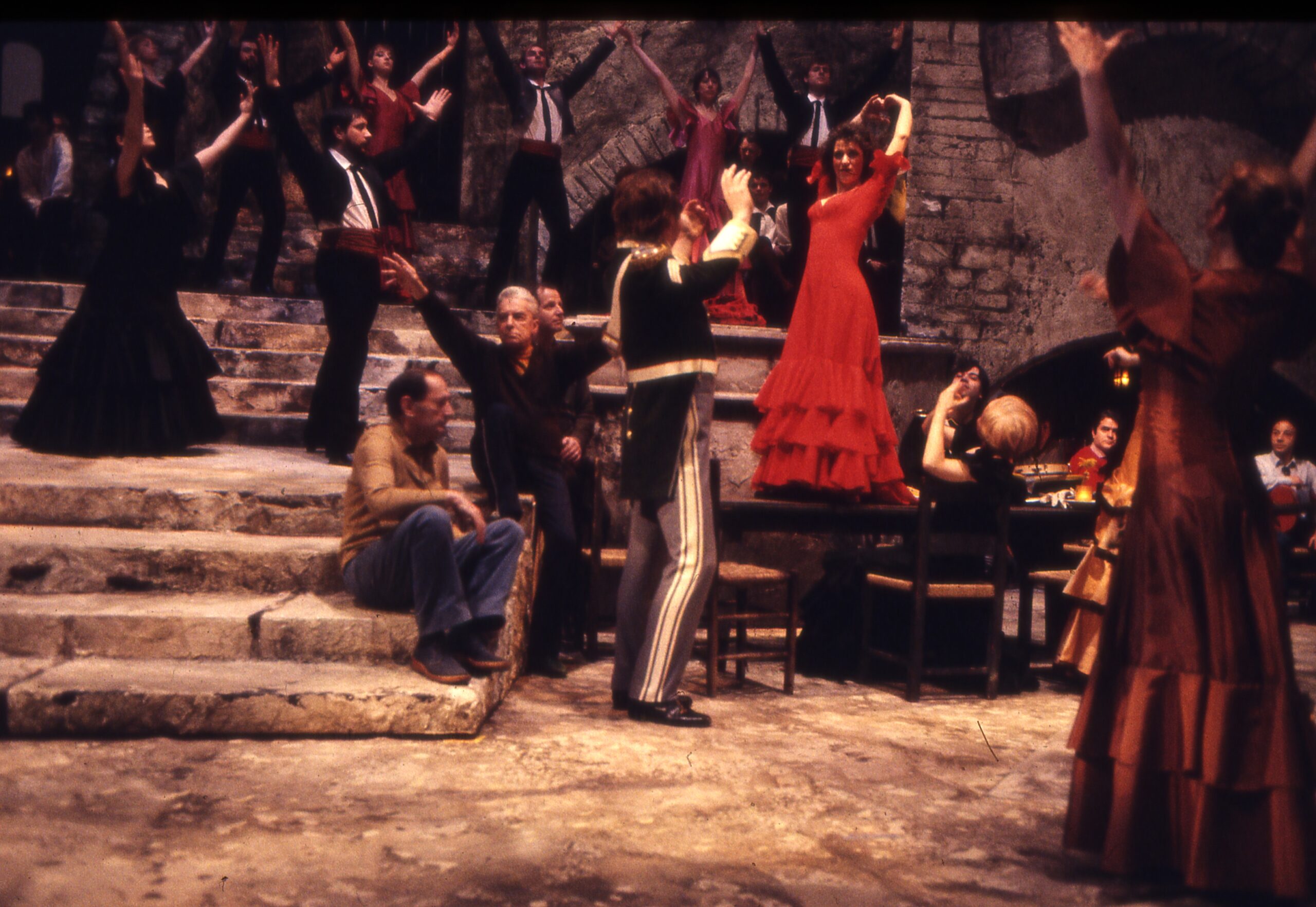
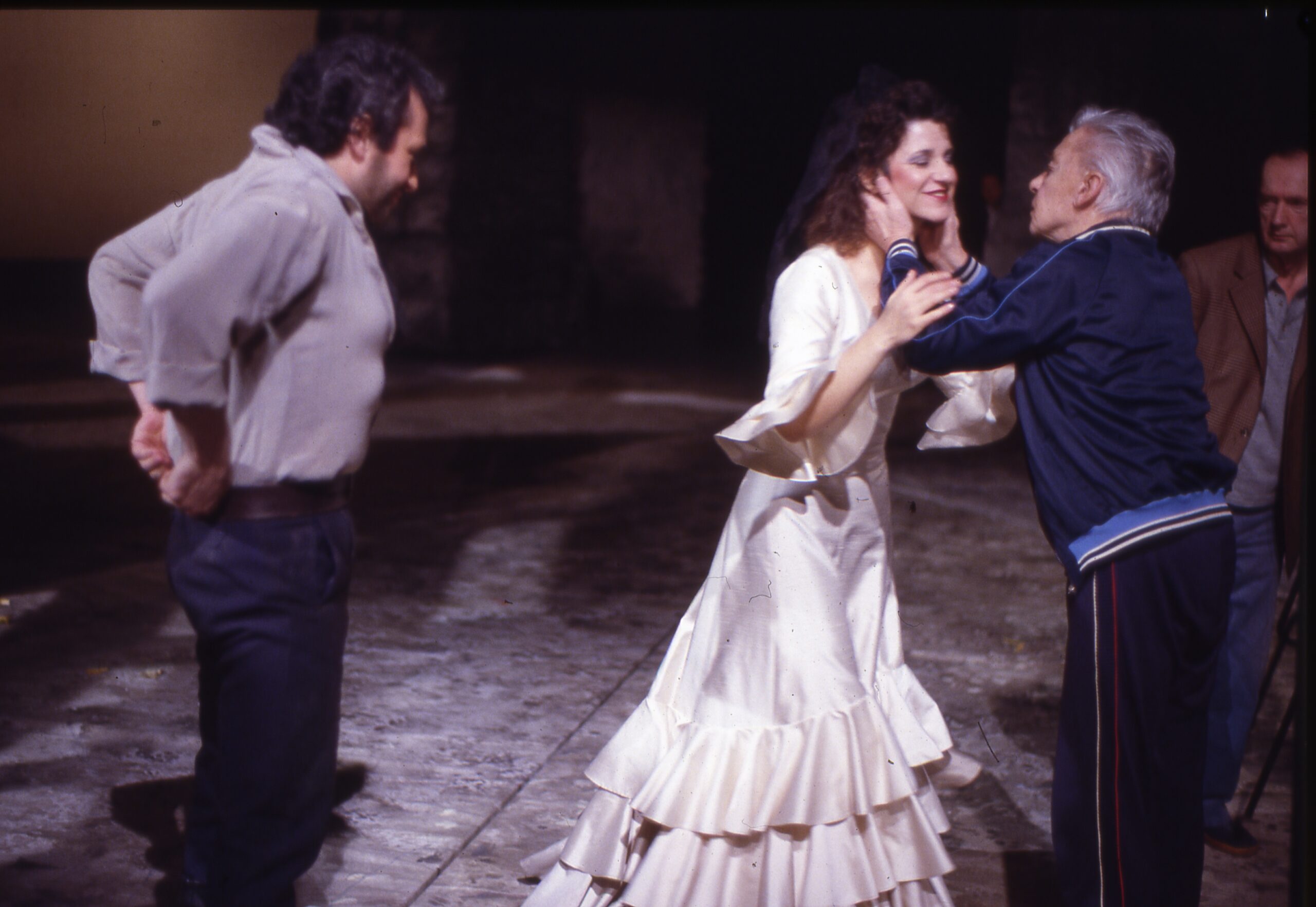
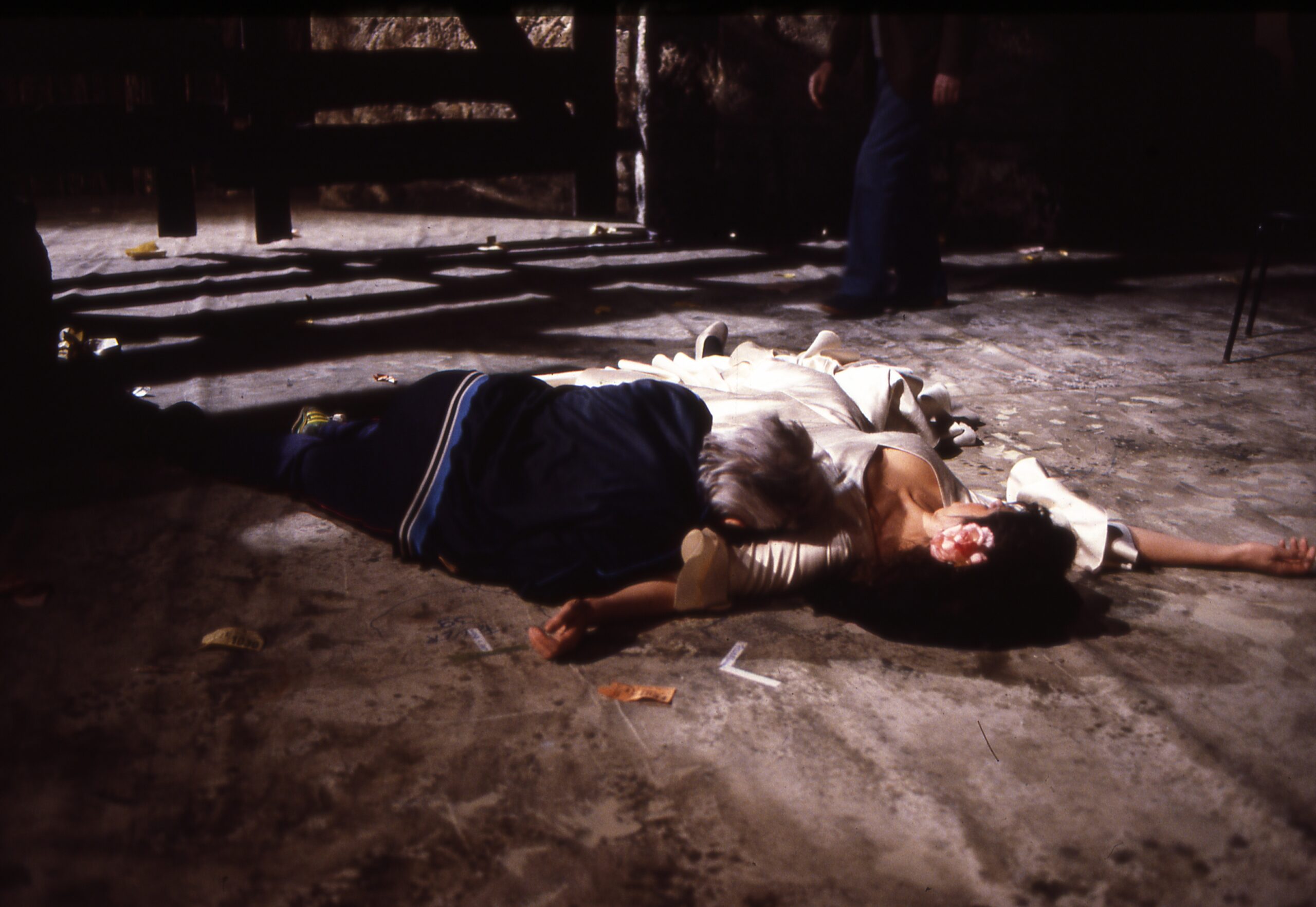
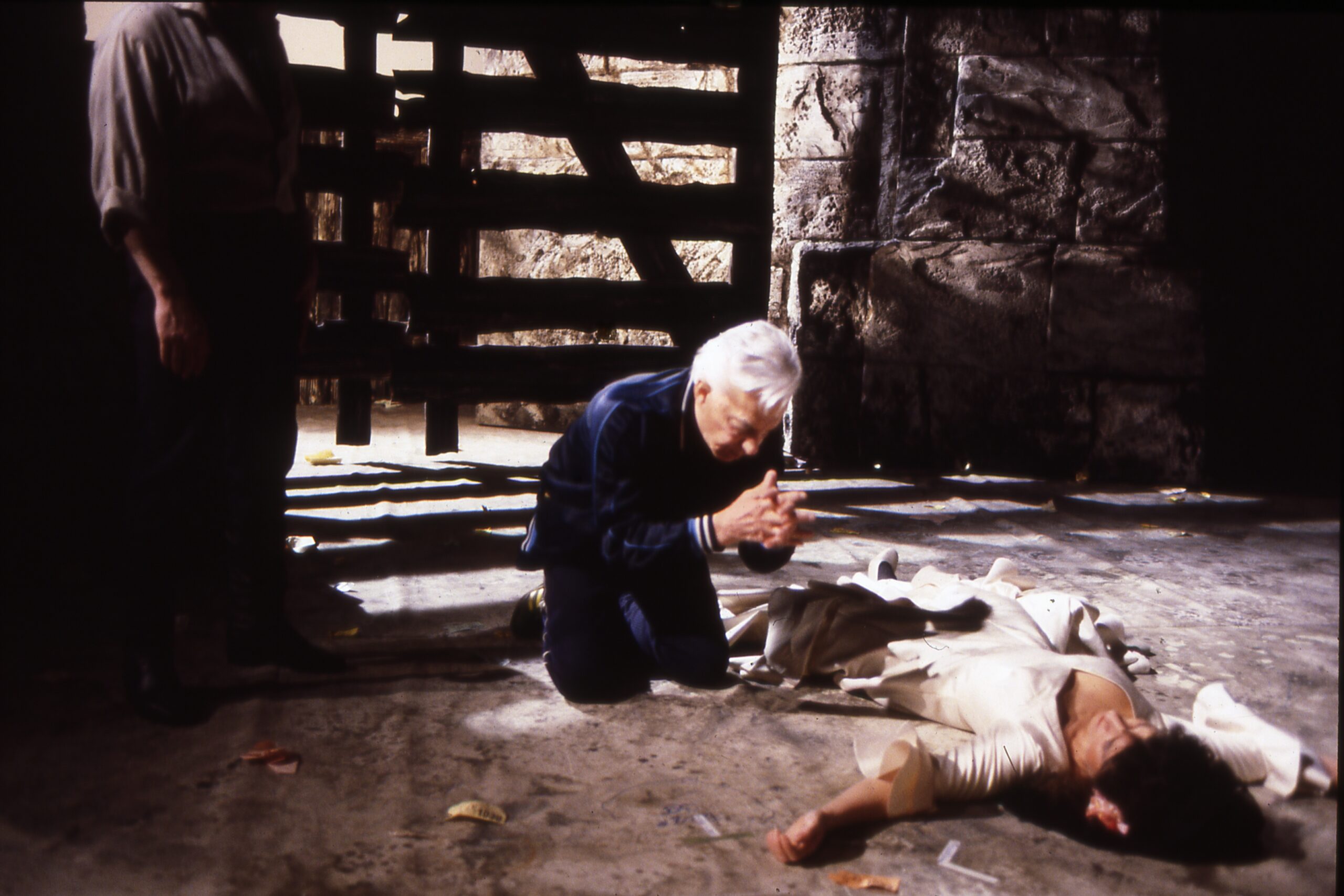
Herbert von Karajan rehearsing Carmen with Agnes Baltsa, José Carreras and an extra at the Grosses Festspielhaus, Salzburg, 1985. Photo: Siegfried Lauterwasser. Karajan Archive.
Karajan subsequently brought Baltsa’s Carmen to the stage at the Salzburg Easter Festival in 1985, in a new production he directed himself. Their ideas about the staging did not always agree – their disagreement eventually became very public – but Baltsa remained convinced by Karajan’s musical understanding of the opera. Imagining Carmen in a production by Jean-Pierre Ponnelle with Karajan conducting, she later said, would have been “pure Nirvana.”³
For our playlist, however, we return to the very beginning of Carmen. Before the jealousy, the cards and the tragedy, Carmen introduces herself with a simple principle that will determine everything that follows: she will love whom she chooses.
Track 2: Il trovatore, Act IV: “D’amor sull’ali rosee” – Giuseppe Verdi
Our second strong woman makes a very different choice. Carmen remains true to her freedom even when it may cost her life. Leonora chooses to give up her own life to save the man she loves.
The plot of Il trovatore is famously complicated, but the situation at the beginning of Act IV is actually quite simple. Leonora loves the troubadour Manrico, who has been captured by his rival, Count di Luna, and is awaiting execution. Leonora comes to the prison determined to save him. Standing outside the tower where Manrico is held, she sings “D’amor sull’ali rosee” – “On the rosy wings of love” – imagining her love reaching him and bringing comfort to his final hours.
But Leonora has not come merely to mourn. She has a plan. She offers herself to Count di Luna in exchange for Manrico’s freedom, while secretly taking poison. Manrico will be released, but Leonora will never belong to the Count. When Manrico discovers what she has done, it is already too late. Leonora dies in his arms.
That makes “D’amor sull’ali rosee” particularly fitting for this playlist. Leonora is trapped in a world in which two men are fighting over her, yet in the final act it is she who takes control of events. Her decision is tragic, but it is her own.
And there is a second strong woman behind our choice of this track: Maria Callas.
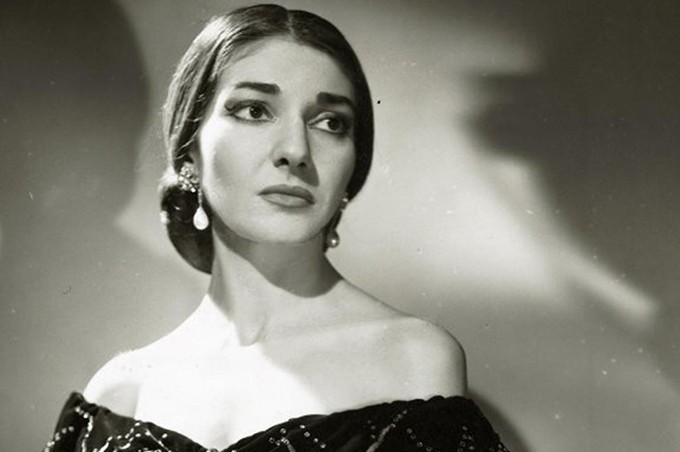
Maria Callas © Karajan Archive
Callas and Herbert von Karajan worked together for only a relatively short period, but their collaboration produced some of the most fascinating documents in both artists’ careers. Il trovatore brought them together at La Scala in 1955, with Callas as Leonora, Giuseppe Di Stefano as Manrico, Rolando Panerai as Count di Luna and Fedora Barbieri as Azucena. The production was directed by Luchino Visconti.
For Callas, Leonora was much more than an opportunity for beautiful singing. She belonged to a generation that fundamentally changed the way many nineteenth-century Italian operas were approached. Roles that had often been treated primarily as vehicles for vocal display became dramatic characters again. Callas’s combination of vocal technique, attention to the text and intense stage presence made her central to that change.
Karajan immediately recognised what she could bring to this repertoire. Their collaboration at La Scala came at a remarkable moment in both careers: Callas was at the centre of the theatre’s artistic life, while Karajan was becoming increasingly involved in Italian opera. Their Trovatore was followed the same year by Lucia di Lammermoor in Berlin, and in 1957 they reunited for the famous Lucia performances in Berlin and Vienna.
The recording in our playlist comes from Karajan’s Il trovatore with Callas as Leonora at La Scala. And that gives this track even two strong women.
Track 3: Scheherazade, Op. 35 – I. The Sea and Sinbad’s Ship – Nikolai Rimsky-Korsakov
In our third track, composer Nikolai Rimsky-Korsakov portrayed one of literature’s most remarkable women – this time without a single word being sung.
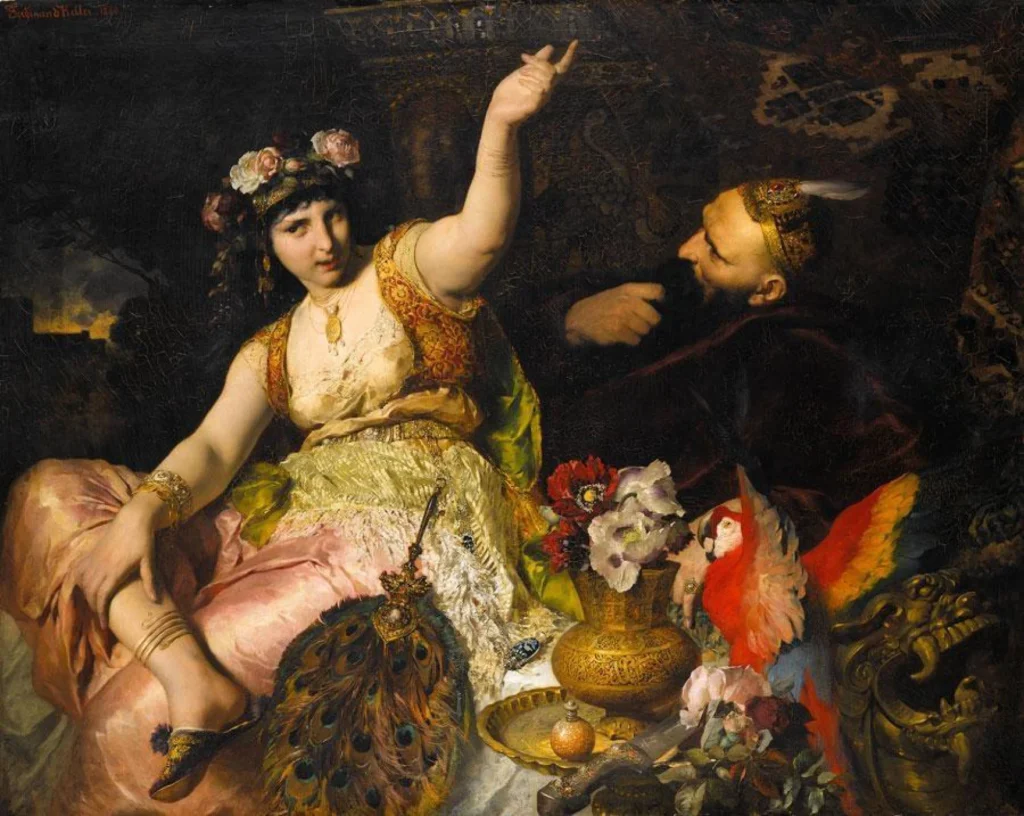
Sheherizade und Sultan Schariar, 1880, by Ferdinand Keller
Scheherazade, composed in 1888, was inspired by One Thousand and One Nights, the famous collection of stories from the Middle East and Asia. The frame story begins with Sultan Shahryar. After discovering that his wife has been unfaithful, he becomes convinced that no woman can be trusted. His revenge is brutal: every evening he marries a young woman and every morning has her killed. Scheherazade, the daughter of his vizier, decides to put an end to the killings. Despite her father’s attempts to stop her, she volunteers to marry the Sultan herself, knowing that she is expected to die the following morning.
But she has a plan: her weapon is storytelling. On their wedding night, Scheherazade begins a fascinating story but does not finish it before morning. The Sultan wants to know what happens next and allows her to live another day. The following night she finishes the story and immediately begins another. And so it continues: one story leads into the next, each buying Scheherazade another day. After one thousand and one nights, the Sultan has abandoned his murderous plan, and Scheherazade survives. Scheherazade therefore brings yet another kind of strength to our playlist: she deliberately puts herself in danger to save other women and survives through intelligence, courage, and imagination.
Rimsky-Korsakov does not tell this story literally in his orchestral suite. Instead, he gives its two central characters musical voices. The Sultan appears at the very beginning in a dark, powerful theme. Then Scheherazade answers with a solo violin, accompanied by the harp. In the recording featured in our playlist, made with the Berliner Philharmoniker in 1967, Scheherazade’s violin voice is played by the orchestra’s concertmaster Michel Schwalbé. Her theme returns throughout the four movements, connecting one musical adventure with the next – much as Scheherazade herself connects one story with another over the course of the thousand and one nights.
Track 4: Symphony No. 6 in A minor – I. Allegro energico, ma non troppo. Heftig, aber markig – Gustav Mahler
Our final track brings us from fictional heroines to a real woman: Alma Mahler.
When Gustav Mahler composed his Sixth Symphony in 1903 and 1904, he had been married to Alma for only a few years. According to Alma, Mahler portrayed her in the symphony’s first movement. After its dark, marching opening, the music introduces a sweeping, passionate second theme. Mahler told her, she later recalled, that he had tried to capture her in this music. It has been known ever since as the “Alma theme.”
In the recording featured in our playlist, Herbert von Karajan conducts the Berliner Philharmoniker. It is in this first movement that Mahler’s musical portrait of Alma repeatedly returns. After Carmen’s freedom, Leonora’s sacrifice and Scheherazade’s intelligence and courage, our playlist ends with another woman portrayed without words – this time by the man who loved and married her.
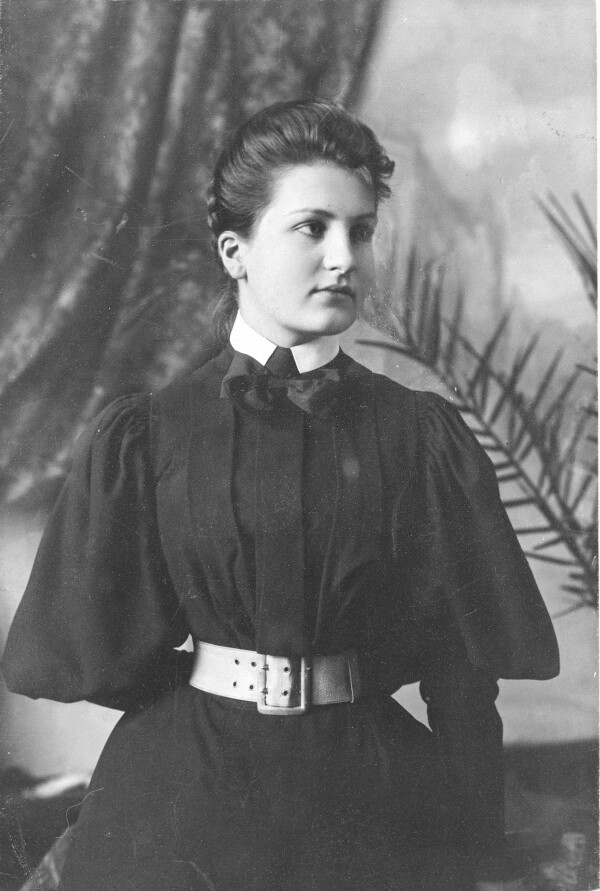
Alma Mahler (around 1900)
Alma makes an intriguing final addition to our Strong Women. She was a composer herself, highly educated and ambitious, and moved at the centre of one of the most remarkable artistic circles of fin-de-siècle Vienna. Her relationships with some of the leading artists of her time have often overshadowed her own story – not least her marriage to Mahler, who initially demanded that she give up composing. Their relationship was intense and complicated, and Alma’s own artistic ambitions became one of its central tensions.
And this is where our final track leads to the cover of this week’s article. Before Alma met Mahler, she had already attracted the attention of another defining figure of Viennese modernism: Gustav Klimt. In 1899, when Alma was twenty, Klimt fell passionately in love with her. During a journey to Italy with Alma and her family, his advances became so intense that her family eventually intervened. Alma later remembered a kiss from Klimt in Venice as one of the defining moments of the episode.
Klimt never painted Alma, however. The woman on our cover is another remarkable woman from his immediate circle: Emilie Flöge. More than simply Klimt’s muse and close companion, Flöge was an independent businesswoman and fashion designer. Together with her sisters, she founded the fashion salon Schwestern Flöge in Vienna, which became a successful address for modern fashion and attracted clients from the city’s wealthy society. Klimt painted her famous portrait in 1902 – the same year Alma married Gustav Mahler.
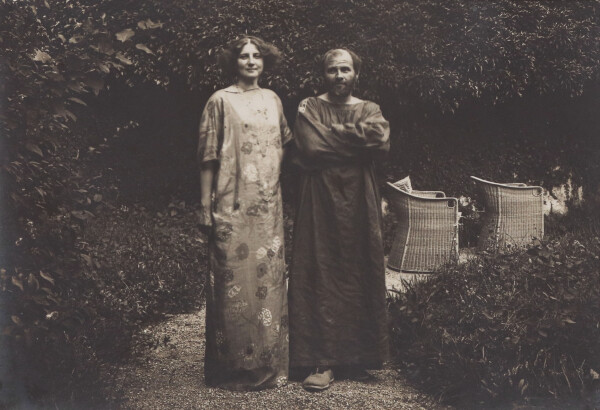
Emilie Flöge and Gustav Klimt (c) Gustav Klimt Privatstiftung
So our cover brings two remarkable women of Vienna around 1900 together without actually showing them together: Alma Mahler through the music, Emilie Flöge through Klimt’s portrait – and Gustav Klimt as the link between them.
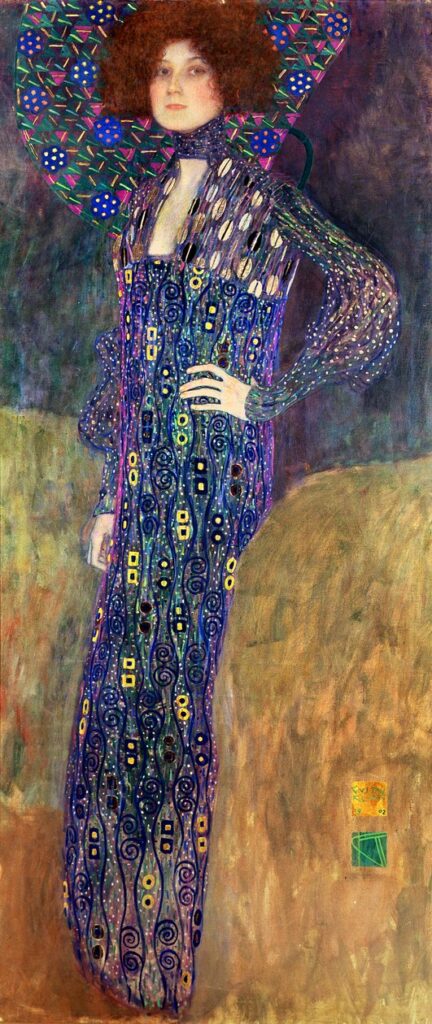
Gustav Klimt – Emilie Flöge 1902
And so our playlist ends: four very different women and four very different forms of strength.
— Pia Bernauer (Karajan Institute, Salzburg)
1 Richard Osborne, Conversations with Karajan (Oxford: Oxford University Press, 1989), pp. 17–18. Osborne quotes John Culshaw’s account of the 1962–63 Carmen recording; original source: John Culshaw, Putting the Record Straight (London, 1981), pp. 335–336.
2 Richard Osborne, Herbert von Karajan: Leben und Musik (Munich: dtv, 2008), pp. 698–700.
3 Richard Osborne, Herbert von Karajan: Leben und Musik (Munich: dtv, 2008), pp. 841–842.